
Rethinking the Cost of Inclusion
Many schools assume that inclusion means building a separate, costly support structure alongside everything they already do. It doesn't have to work that way.
Over more than 40 years of walking alongside Christ-centered schools, we've learned that inclusion, approached thoughtfully, can strengthen a school's resources rather than strain them. We've thought through these financial questions alongside many schools, and we're glad to do the same with yours.
Curious about the theological foundation underneath all of this? Learn more about the theology of inclusion.
A Different Way of Thinking About It
Before looking at the numbers, three ideas tend to shift how schools approach the financial side of inclusion.
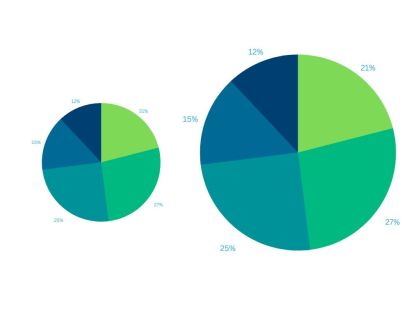
Make the pie bigger.
Rather than taking anything away from existing programs, inclusion invites schools to expand their academic and social-emotional support in ways that benefit more students. The goal is a broader, more flexible pool of resources, not a separate structure.
Embrace tuition equity.
When inclusion is part of the fabric of your school, every family is paying for and benefiting from a shared support system. That's not just fair; it reflects what it means to educate whole students in a community that sees each one as an image-bearer of God.


See inclusion as a school-wide support.
Research consistently shows that inclusive practices benefit all students, not just those with identified disabilities. When schools build flexible, responsive support systems, more students are reached and more students belong.
Funding Opportunities
We walk alongside member schools in exploring funding sources they may not have considered.
Families who have heard "no" from other schools remember the schools that say "yes." Opening your doors to students with disabilities often brings whole sibling groups and draws families who are looking for a school community that reflects their values. That kind of welcome has real and lasting enrollment impact.
Individual donors often have a personal connection to disability and inclusion, and many are eager to invest in schools that are doing this work well. One-time gifts can fund a Site Study or initial resources, while ongoing communication about your school's inclusion journey can cultivate deeper annual giving.
An inclusive approach allows you to share resources for all students rather than building a dedicated support structure for a few. This means that on any given day, you can support any students who need assistance using the same pool of resources.
Title II funds are designed to support teachers, administrators, and school leaders in improving instructional quality and expanding educational opportunity. We can help you explore whether and how this funding applies to your school's situation.
Christ-centered schools can often access physical, occupational, and speech therapy professionals through the public school system. Navigating that process can take some patience, and we're glad to help you work through it.
Let's Think Through This Together
Every school's financial picture is different. If you're wondering what inclusion might realistically look like for yours, we'd love to start that conversation.