Inclusion in Ordinary Moments: One Step Teachers Can Take Tomorrow
Start with the child
When a student with a disability joins our classroom, practical questions come quickly:
How will I meet this student’s needs? What support will I need? How will all the students learn together? Those questions matter. But I challenge us to begin with another: What do we believe is true about this child?
Genesis 1:27 tells us that every person bears God’s image. A student does not have to read at grade level, communicate in a particular way, or interact in a typical way to have dignity. From the beginning, God created people to reflect his image and live in relationship with Him and one another. Our dignity and our need for community are part of His good design.
We also live in a fallen world. All of us experience weakness, limitation, suffering, brokenness, and the need for grace, though not in the same ways. Honoring a child’s dignity does not mean overlooking difficult behavior. We can provide support, teach skills, and set appropriate boundaries while honoring the person who bears God’s image.
In 1 Corinthians 12:22–26, Paul calls the body to honor its members and care for one another. That picture shapes how we think about life together in a faith-based school. Students with disabilities are not a special population for us to serve. They are members of a community whose presence, relationships, and gifts matter. How we speak to them, listen to them, and respond to their needs reflects what we believe about the God whose image they bear.
So instead of only asking, “What services can we provide?” We can ask: What would help this child participate meaningfully in the ordinary life of our school? Who notices their absence? Who knows what brings them joy? Who invites them to lunch or a game at recess?
Honor Dignity in Everyday Interactions
Knowing a student excellently begins with paying attention to the person in front of us.
We can…
- Use their name. Introduce the child by name and interests rather than defining them by a diagnosis.
- Listen to the student. Give them time to respond. Allow space to process and communicate without answering for them.
- Ask before helping. “Would you like some help?”
- Protect their privacy. Discuss support needs and difficult moments that classmates cannot overhear.
- Notice and invite their gifts. Give them meaningful opportunities to contribute through their interests and strengths.
- Correct with respect. Address the behavior with support and appropriate boundaries while continuing to honor the child.
- Be aware of barriers. Consider access and support when preparing field trips, chapel, clubs, and classroom activities.
Knowing a student also involves listening to their family. Ask what helps their child feel understood and included, and share strengths and growth alongside concerns. Families often choose a Christian school for its mission and hope all their children can grow within the same community. Our partnership helps each child and family experience that welcome.
More than Student Support
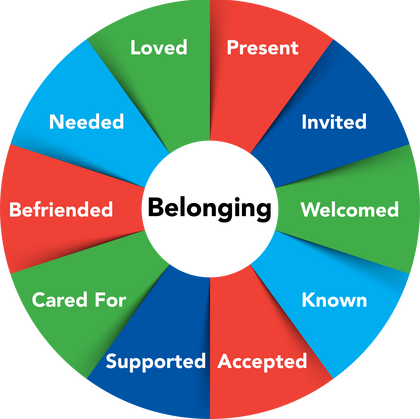
Dr. Erik Carter’s work on belonging reminds us that being present is only a beginning. Being known, befriended, and needed matters too. Who knows what gifts this child has? Who notices their absence?
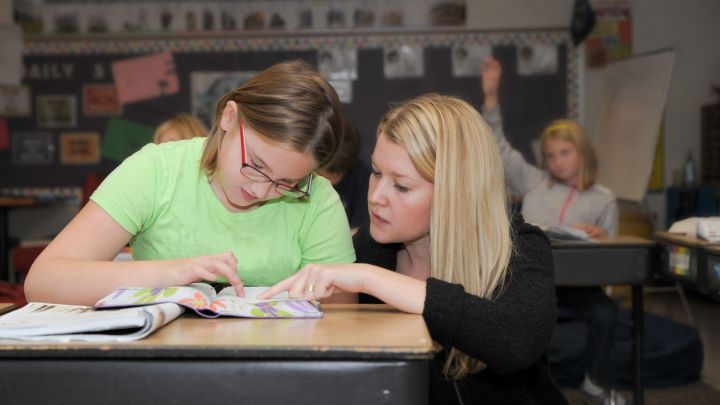
In the classroom, this takes shape in ordinary moments: planning group work so each student has a meaningful role, preparing a student for a difficult transition, inviting them to choose a classroom job that fits their interests, or offering different ways to demonstrate learning. We also notice friendships: Who has someone to sit with or work alongside?
Inviting students to share their gifts honors their place in the community. Their worth remains the same whether their contribution is immediately visible or takes time to recognize.
Inclusive education is a continuing process of listening, planning, reviewing, and adjusting. We consider both the student’s needs and barriers in our routines, instruction, and activities. Then we work with the student, family, and colleagues to make changes.
You Need Support Too
Teachers need time to plan, opportunities to learn, and support from school staff and parents. Asking for help is part of caring well for the student and the classroom community.
Honoring a child’s dignity also means communicating clearly with school staff and partnering with parents. One step you can take tomorrow is to ask for help in a moment when participation is hard. You might invite a learning specialist to look at an assignment with you, ask a colleague to help plan a smoother transition, or ask a parent what helps their child join an activity. Share what you notice, and listen to their perspective. These ordinary conversations can lead to practical support that honors the child’s dignity and helps them belong.
Things You Can Do Tomorrow
- Listen to a student and their family. Ask about their strengths, interests, relationships and one place where participation is hard. Giving their voices time and attention honors their God-given dignity.
- Address one barrier together. Choose a classroom routine or activity, ask what would help and agree on a change with the student and those supporting them. Check back to see if it improves participation.
We will not get every decision right the first time. But we can keep returning to what is true: every student bears God’s image and is worth knowing excellently, treating with honor, and supporting with care.
Scripture repeatedly describes God's redemptive work communally. “I will walk among you and be your God, and you will be my people” (Leviticus 26:12 NIV). A child with a disability isn't a child whom a school is graciously trying to accommodate. He or she is part of the school community.

References
Carter, Erik W. (2019) Ten Dimensions of Belonging. Vanderbilt Kennedy Center.